Akshata Manthalkar
Hi, I am Akshata Manthalkar
Crafting experiences for users brands

Hi ! I am Akshata Manthalkar. I'm a User Experience Designer based out in United Kingdom,London and originally from India, Pune with experience of 10 years in delivering end-to-end UX design for software products. I'm passionate about improving the lives of others through design and am constantly looking to learn new things everyday.


The UX process
Phase 1
Research
The first and foremost step while kick-starting any UX process, I start by doing the research. Research includes deep-diving in the project,understanding the business requirements, the timelines, the domain ,the users ,business goals and coming up with a design strategy towards implementing the designs
Kick-off calls
The Kick-off calls include the Project Owners,Project Managers,Lead Designers, Developers to know the business requirements.This catch-up sheds light on the bigger picture of what is expected and what are the high-level goals of the project.
Primary Research
The Stakeholders and Project Owners are people who are a part of the project since the inception who can give clearer ideas about business goals and what are the pain points in the current journey maps that their users have experienced.
Stakeholder Interviews
Ethnographic Research

The process I follow for any UX project from scratch.

Primary Research includes- Domain Research, User Research, User Roles, Personas, Journey Maps, Experience maps. This research maps user pain points, opportunity areas their motivations, their touch points and past experiences.
Ethnography is a qualitative research study looking at the social interaction of users in a given environment. This research provides an in-depth insight into the user’s views and actions along with the sights and sounds they encounter during their day.
Mapping research insights
Research Documentation
All the insights identified from the users provide deep understanding of the users pain points and can be utilized later to craft new features and conceptual models /ideas on the platform. Insights are mapped from the research and can be mapped to information architecture.
Post research data can be overwhelming. It is important to synthesize all the data , analyze it and document it. It may be applied to either quantitative or qualitative research. Its general goals are to make the findings from multiple different studies more generalizable and applicable.

Phase 2
Conceptualization
During the design conceptualization phase, we expand on our creativity with brainstorming, exchange of ideas, decision making and design optimization. We try to iterate with multiple ideas using whiteboard , paper prototypes and lo-fidelity wireframes. We analyse, consolidate, research and focus on how your users can engage with the product and get an immersive experience.


Component structuring
Mental Models
Components are design elements that are used in the application while and again eg : Search boxes, navigation drawers ,menus, micro interactions which can make the app interactive and can build the learnability curve for the user.
Mental models of the user as well as the business side will help understand what the user expects out of the prodect vs how the business is envisioning it. Mapping the mental models can help buiild a great product for both user as well as business
Navigation paths
Thinking about the virtual impact of using a consistent design concept across the application , navigation paths are built to remove any gaps from the system which will craft a seamless end to end journey for the user without any disconnect.
Designing interactions
Micro-interactions across the appkication help make the application fun to use ,creates a delighful experience for the user and help users connect with the content they are seeing on the platform
Phase 3
Wireframing,Design, Dev support
For a User Interface and User Experience Designer, gathering feedback from the end-user is very important. Wireframes help in achieving this. As they are devoid of color, which makes it easier for the end-user to appreciate the UX design functions.Different types of wireframes can help create accurate blueprints of his designs.


High Fidelity Wireframes
Mid Fidelity Wireframes (Mi-Fi)
Paper prototypes are a great example to show the client, early ideas/concepts that we have in mind. I try to create quick paper sketches with minimum content to the team. This helps getting early feedback from the team to iterate upon.
Paper prototypes
Low-fidelity wireframes help shape digital components created for mobile/web layouts. I start by creating Lo-fi wireframes which can be further iterated upon. Lo-fi wireframes can be good examples to showcase for early concepts.
Low Fidelity wireframes (Lo-Fi)
These types of wireframes can be commonly used for communication with the stakeholders and end-users. Mid-fidelity help explain the touch-points & interactions. hence, they are more accurate than low-fidelity wireframes. This makes it one of the most used types of wireframes among the UI/UX designers.
High fidelity wireframes with more concrete shape to UI Components, this type of wireframe contains the complete blueprint of the design and is the most accurate and almost similar to visual design screens without much of colors.These screens are closest to the visual design we want to achieve.



Some of the company's I worked for
Below are a few clients I got an opportunity to work with on end to end UX design, UX Research and UI design projects

NatWest Bank
Worked for UK's leading Bank for defining the UX for one of their Business banking products

Tata Steel
Designed the UX for Tata Steel's B2B application for customers, distributors & business platforms

Google Cloud
Worked on a project for Google Cloud to design page layouts, wireframes, illustrations and tech diagrams

Lenevo
UX Research & Audit for Lenevo's website. Proposed some UX recommendations to redesign the platform

HSBC
Defined UX/UI for HSBC's GTRF platform for global usage

Microsoft India
Design degree project at Microsoft India. Worked on mobile apps, UX Research, UX design
In-depth case studies from product strategy and ideation to prototyping, user
Some recent ux case studies
B2B
B2C
Healthcare
Communication
Technology
Mobile + Web



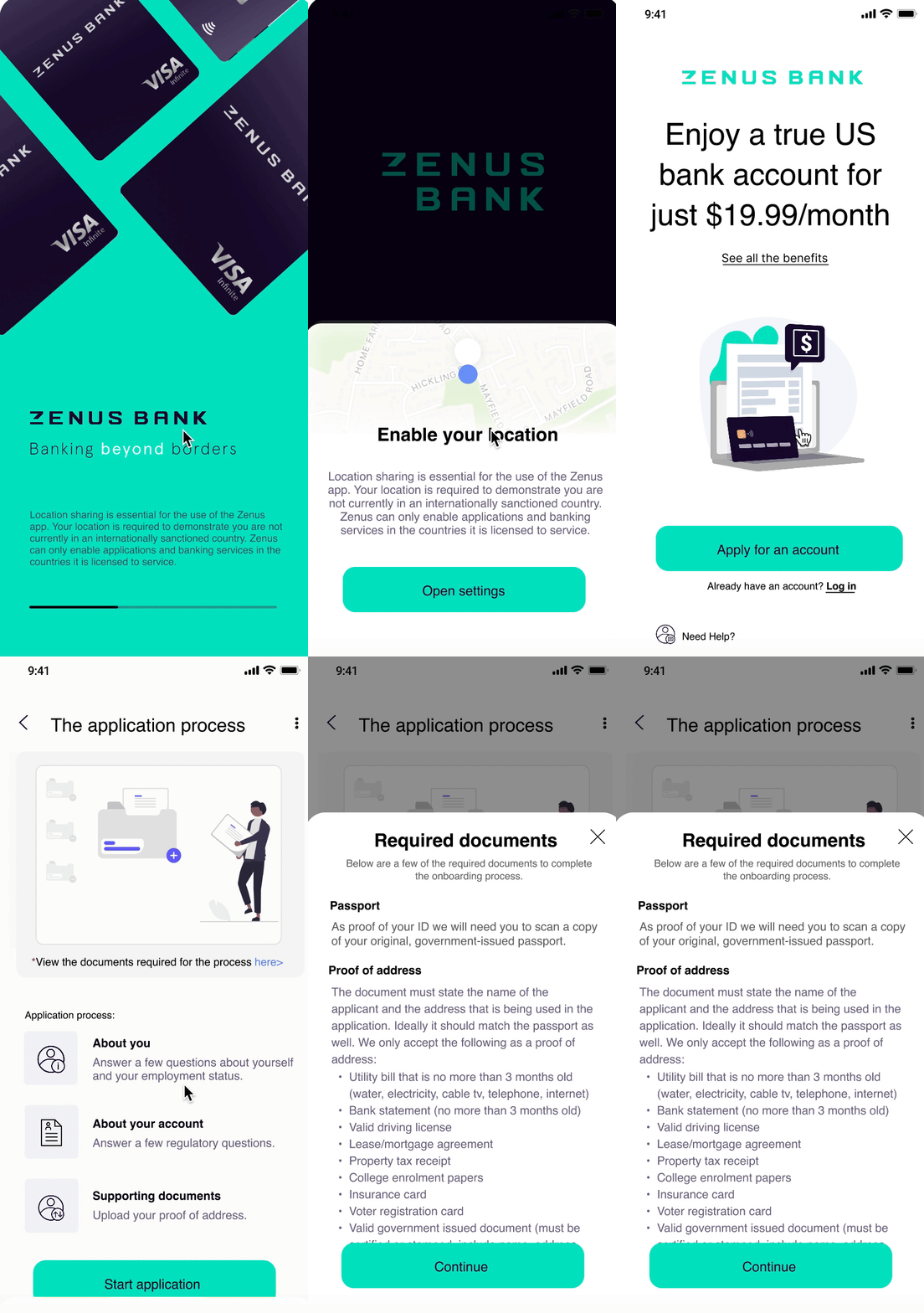
03 __________
Fun2 is a fun short-video creation app which will help users create fun content.
6-month long UX/ UX Research engagement

______
Mobile app experience
Design Audit
Futura Light is a much loved font inspired by elements of Bauhaus design. Ideal for headlines, banners, logos & more, it will make your words stand out.Futura Light is a much loved font inspired by elements of Bauhaus design. Ideal for headlines, banners, logos & more, it will make your words stand out.


